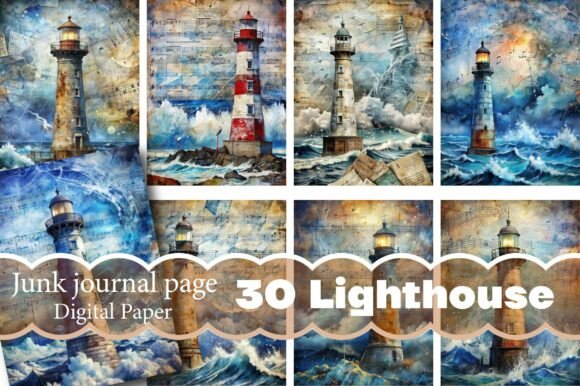
Maritime Magic: Crafting with Lighthouse Junk Journal Pages
There’s a certain romance to coastal living—the weathered wood, the endless horizon, the steadfast beam of a lighthouse cutting through fog. Capturing that essence in a tangible form is what Lighthouse Junk Journal Pages accomplishes so effortlessly. This isn't just a collection of images; it's a curated mood board for creators who crave that handmade, seaside aesthetic. Think of it as a digital toolkit designed to inject personality and a narrative into your projects, moving beyond sterile perfection to embrace a more organic, textured visual language.
More Than Just Paper: The Aesthetic's Soul
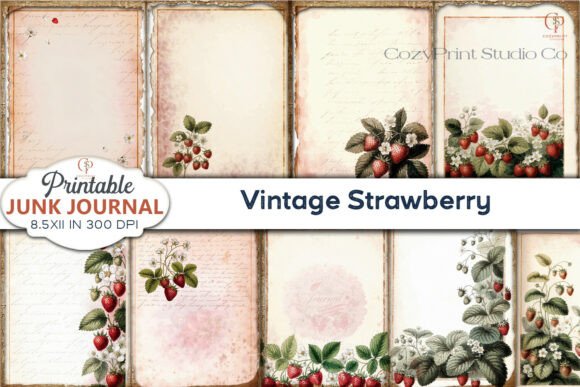
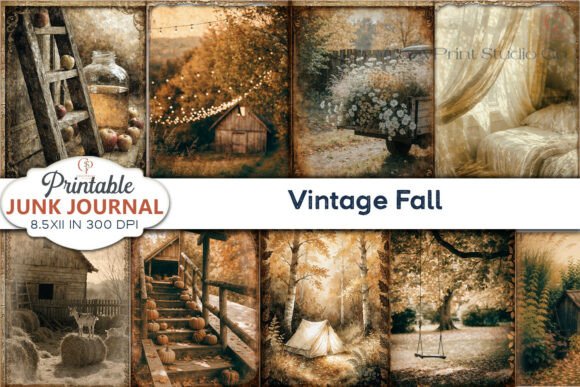
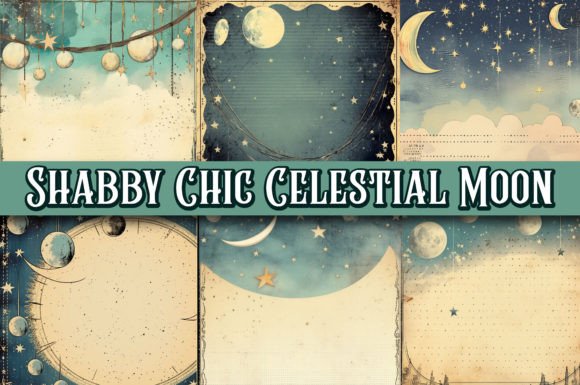
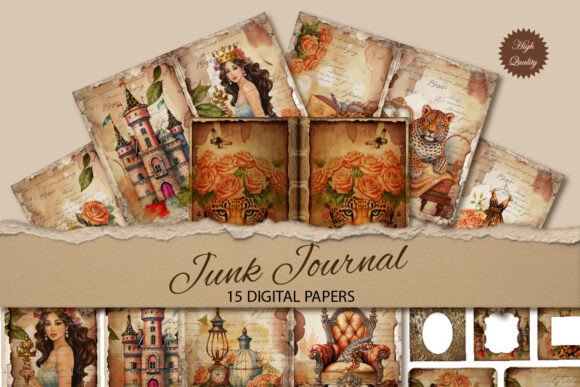
The visual personality of this collection is rooted in its versatility and its distinct character. It blends elements of vintage typography, nautical motifs, and the imperfect beauty of found objects. You’ll find patterns that mimic aged parchment, delicate watercolor washes of seafoam and slate blue, and graphics that feel like they were clipped from a sailor’s logbook. This style is inherently handmade and approachable, making it a powerful counterpoint to the clean, minimalist trends that dominate much of modern web design. It’s a creative font in visual form—each page acts as a standalone display element or a subtle background texture that tells a story.
Where This Collection Truly Shines
As a designer or creator, your first question is always about application. Where does a resource like Lighthouse Junk Journal Pages find its home? The answer is surprisingly broad, spanning both digital and physical realms with equal grace.
- Digital & Branding: Imagine using these pages as a textured background for a coastal B&B’s website or a seafood restaurant’s menu. They bring an immediate sense of place. For social media graphics, they offer a rich, engaging backdrop that stops the scroll. Use them in digital planner covers to give your productivity tools a calming, curated feel. They can also elevate a logo design by providing a unique brand identity element for businesses in the tourism, lifestyle, or artisanal food sectors.
- Print & Stationery: This is where the "junk journal" aspect truly comes alive. The high-resolution JPGs are perfect for sublimation, allowing you to transfer these intricate designs onto mugs, t-shirts, and tote bags. Think about creating a line of greeting cards or party invitations for a nautical-themed event. The patterns work beautifully for packaging design, wrapping handmade soaps or candles with a piece that feels like part of the gift itself.
- Crafting & Mixed Media: For the hands-on creator, these are premium design assets. Use them in scrapbooking to frame vacation photos. Incorporate them into decoupage art on furniture or trays. They can be printed and used in junk journal construction, providing instant, cohesive backgrounds. Even projects like wind spinner design or creating unique book covers and bookmarks benefit from the rich, layered aesthetic.
Making Smart Design Choices
Integrating a strong visual style like this requires a thoughtful approach. It’s not just about slapping a pretty picture onto a project; it’s about creating harmony and ensuring the final product communicates effectively.
First, consider readability. If you’re using a busy page from the collection as a background for text, you’ll need to ensure high contrast. A simple white or dark navy text box over a section of the pattern can create a clean visual hierarchy, allowing your message to stand out without losing the textural charm. This is where principles of modern typography meet vintage aesthetics.
Next, think about font pairing. The handwritten and vintage-inspired nature of the graphics pairs well with specific typefaces. A clean, geometric sans serif font can provide a modern counterbalance, keeping the design from feeling dated. Alternatively, a classic serif font can lean into the traditional, editorial quality. Avoid overly ornate script fonts that might compete for attention. The goal is consistency and professionalism, where each element supports the others.
Finally, always review the licensing for commercial use. A resource marketed for a wide range of applications, like this one, typically includes permissions for both personal and commercial projects, but it’s a crucial step for any entrepreneur or small business owner. It protects your work and ensures you can build a sustainable brand identity with these assets.
From Concept to Creation: A Practical Workflow
Let’s move from theory to practice. How do you actually start using Lighthouse Junk Journal Pages in a project? Here’s a simple, actionable workflow.
- Define the Project's Core Emotion: Is it calm and serene for a wellness brand? Adventurous for a travel blog? Nostalgic for a family reunion invitation? Let that emotion guide which specific pages from the collection you select.
- Isolate and Edit: Don’t feel bound by the entire page. Use basic editing software to crop out a specific element—a compass rose, a strip of nautical rope pattern, a watercolor wave. This gives you more flexibility and allows you to create custom social media graphics or editorial design elements.
- Build Your Layout: Start with your chosen background or element. Add your text, logos, or other images. Pay attention to balance. The organic nature of the junk journal style means perfect symmetry isn’t necessary, but visual weight should be distributed thoughtfully.
- Test and Iterate: Create a mockup. See how the design looks on a phone screen for digital use, or print a test page for physical items. Does the color palette work? Is the key information legible? This step separates a good idea from a polished, professional final product.
Whether you’re designing a digital presentation for a client, crafting a unique poster for a local event, or adding a trendy touch to your product line of tumblers and phone cases, this collection provides the raw material. The real magic happens in how you combine, edit, and apply it, transforming these maritime pages into a cohesive part of your creative vision. It’s about using these design assets not as a shortcut, but as a springboard for your own unique expression.