Brick Pattern Junk Pages: Unlocking Creative Texture
There is a specific kind of magic found in the tangible world of mixed media and paper arts. It’s the rough edge of a torn page, the faint ghost of ink on vintage paper, and the structured chaos of a collage. The Brick Pattern Junk Pages Junk Journal collection captures this essence perfectly, offering a curated set of digital assets designed to bring that tactile, "lived-in" aesthetic to your projects. If you are a crafter, designer, or content creator looking to bridge the gap between digital precision and analog warmth, these pages are a foundational tool for your creative arsenal.
Visual Characteristics and Aesthetic Appeal
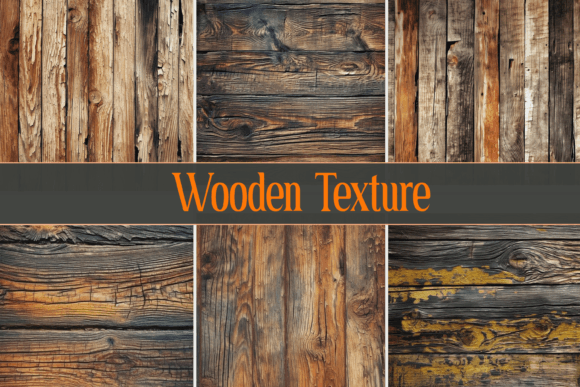
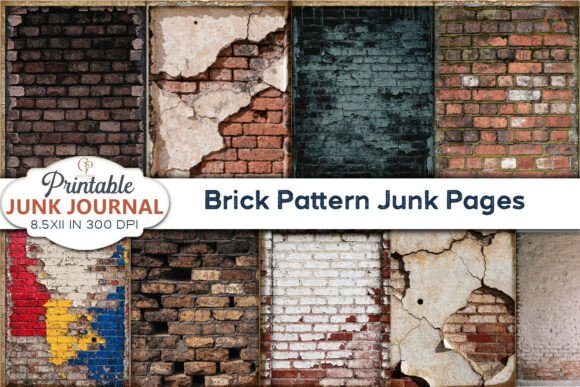
At its core, the Brick Pattern Junk Pages Junk Journal is defined by its visual weight and structural integrity. The files feature a robust brick motif, but this isn't the sterile, vector-based masonry you might find in architectural software. Instead, these are rendered with the grit and grain of high-quality print materials. The textures are rich, offering a sense of depth that makes the viewer want to reach out and touch the screen. The color palette is versatile, typically grounding itself in earth tones or muted neutrals, ensuring that the pattern supports your foreground content rather than competing with it.
The personality of this collection is unapologetically vintage yet adaptable. It possesses an industrial strength that pairs beautifully with the softness of floral ephemera or the sharpness of modern typography. Think of it as the "bones" of your design—it provides the wall upon which you can hang your art. The 300 DPI resolution ensures that even when printed at the full 8.5 x 11 inch size, the grain and subtle imperfections remain crisp, preserving the authenticity of the junk journal aesthetic.
Strategic Applications for Modern Creators
While the name suggests a focus on junk journaling, the utility of these assets extends far beyond the craft table. For graphic designers and brand strategists, these pages offer a solution to a common problem: how to make digital brands feel human. In an era of flat design and minimalism, incorporating texture can be a powerful differentiator. A brick pattern background can ground a logo design, giving it a sense of permanence and history. It works exceptionally well for brands in the artisanal food, construction, or vintage clothing sectors.
For publishers and content creators, the applications are equally potent:
- Editorial Design: Use these as full-bleed backgrounds for magazine covers or chapter openers to create a gritty, urban atmosphere.
- Packaging Design: If you are designing labels for a craft beer or a handmade soap, a brick texture adds a layer of rugged authenticity.
- Social Media Graphics: In the fast-scrolling environment of Instagram or Pinterest, texture stops the thumb. These pages serve as excellent backdrops for quote cards or product announcements.
- Scrapbooking and Card Making: For the hobbyist, these files are instant foundations. Print them out to create "walls" in your shadow boxes or use them as envelopes for handmade cards.
Influence on Brand Perception and Hierarchy
Choosing the right design assets is about more than just aesthetics; it is about communication. Texture influences how an audience perceives a message. By utilizing the Brick Pattern Junk Pages, you are signaling durability, tradition, and a DIY spirit. In web design, a textured background can create a strong sense of visual hierarchy. It pushes flat elements forward, making text and images pop. However, this requires a careful balance.
When using these patterns in digital layouts, consider the readability of your overlaying text. A busy brick pattern can clash with a script font or a complex handwritten font. To maintain professionalism, pair these textured backgrounds with clean, bold sans serif fonts for body text, or a sturdy serif font for headlines. The contrast between the organic texture of the bricks and the clean geometry of modern typography creates a sophisticated tension that elevates the entire composition.
Practical Integration and Workflow
Integrating the Brick Pattern Junk Pages Junk Journal into your workflow is seamless because of the file specifications. Delivered as high-quality JPEGs, they are ready for immediate use in Adobe Photoshop, Illustrator, Canva, Procreate, or any standard photo editing software.
Here is a practical guide to getting the most out of these assets:
- Evaluate the Fit: Before committing, look at the emotional tone of your project. Does it need the warmth of a vintage shop or the grit of an industrial loft? If yes, this pattern is your match.
- Test Pairings: Do not just slap a logo on top. Experiment with opacity. Lowering the opacity of the brick pattern can create a subtle, paper-like texture that works behind long-form text without causing eye strain.
- Mixed Media Approach: Don't treat the brick wall as a static image. Layer other elements on top—digital washi tape, paper clips, or torn edges. This creates depth and reinforces the "junk journal" vibe.
- Commercial Usage: These are digital files intended for creative projects. Whether you are creating a planner decoration for personal use or a backdrop for a client’s marketing campaign, the files are versatile enough to handle both contexts.
The Value of Digital Assets in Creative Business
For the entrepreneur or small business owner, time is a non-renewable resource. Building a texture library from scratch—photographing walls, scanning paper, color correcting—is time-consuming. Investing in a curated set like the Brick Pattern Junk Pages is a strategic move. It allows you to maintain a consistent brand identity across all touchpoints without spending hours in the studio. You gain access to a professional-grade aesthetic that can be deployed instantly, ensuring your visual marketing looks polished and intentional.
Ultimately, these pages are more than just pictures of bricks; they are a canvas for storytelling. They provide the grit and gravitas needed to make your creative vision feel real, tangible, and enduring. Whether you are printing them for a physical art journal or using them to design a digital storefront, they offer a timeless foundation for your work.